
SLOGANS IN INDIA
UPDATED om 08/06/2026
SARASIJ MAJUMDER
Indian National Congress:
Korenge Ye Morenge: Do, or Die. This slogan was coined by MKG at the beginning of Non-Violence Movement of 1942, also known as ‘QUIT INDIA’ movement. Some historians evaluated it as ‘Split India’ movement. Muslim population largely boycotted this movement.
After Independence, the other famous slogan was raised by Late Lal Bahadur Shastri—in 1965, with war of Pakistan—”Joy Jawan, Joy Kishan”.
TRINAMUL CONGRESS:
Ma- Mati-Manush: It is taken from Folk- Drama, composed by Vairab Ganguli in Seventies. It was used first by Begam Khaleda Jia in 1991.
JOY BANGLA: From the Poem ‘Purno Avinandan’ ( পূর্ণ অভিনন্দন) composed by Qazi Nazrul Islam, and used by Bangabandhu Mujibur Rahaman during Mukti Yuddha of 70-71, which created Bangladesh. As it happens—from refugee camp where Bangladeshi refugee people were kept in India, Conjunctivitis started and spread at a very large scale, in Calcutta, and that ailment was also called ‘JOY BANGLA’.
খেলা হবে–KHELA HOBE—First used as a Slogan by MP of Awami League—Shamim Osman before election in 2014. It is alleged that Sheikh Hasina won that election by massive rigging. It was adopted by TMC in 2021 state election!
Concussion: All Slogans of TMC of West Bengal are linked to foreign neighbour Bangladesh.
CPI(M):
INQILAB JINDABAD—Communist Moulana Hazrat Mohani created this Slogan by combining Arabic word ‘Inqilab’ and Parsi word ‘Zindabad’. The combined word means—Long Live revolution’. He was against two nation theory of Jinnah, but supported Russian theory of splitting British India into 6 States.
LAL SELAM: Again, this is a combination of two word. ‘Lal’, a Sanskrit word, meaning red colour in India used in all auspicious occasions, and activities, like Puja, Marriage and its European version is linked with Blood/Revolution. Selam is not a native Urdu word, but it is widely used in everyday Urdu conversation and literature. The root is the Arabic word is Salam (سلام), which means “peace”. Selam is used in Greetings. The combined word means ‘Red Salute’.
BJP:
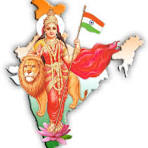
Bharat Mata ki Jay: Used by Kiran Chandra Banerjee in his Drama in 1873. Adopted by BJP.
Jay Sri Ram: Adopted from Ramanandi Baishnab Gharana. The term “Ramanandi Baishnab Gharana” (or Ramanandi Vaishnav Gharana) refers to the spiritual lineage and cultural-artistic traditions of the Ramanandi Sampradaya, one of the largest and most influential Vaishnava monastic sects in Northern and Eastern India. Founded by in the 14th-century saint Jagadguru Ramanandacharya, this “Gharana” (or school of thought/tradition) is characterized by its distinct philosophical doctrines, deeply rooted musical heritage, and egalitarian social reforms.
Many temples, and Moths of this Gharana are found in North, and East India.
Vande Mataram: Beginning of a song, Matri Vandana, from ‘Ananda Moth’ novel—written by Bankim Chandra Chattopdhya. It was first used and popularized by Revolutionaries of Bengal. It was considered as a ‘Sacred Chanting’ (Beej Mantra) to them.
The ‘SONG” was dismembered by congress– but restored by BJP 90 years later.
INA:
The motto of the Indian National Army (INA), also known as the Azad Hind Fauj, is “Ittefaq, Etemad, Qurbani” [“Unity, Faith, Sacrifice”] .It was Coined by Netaji Subhas Chandra Bose.
Jai Hind (Victory to India): Coined within the INA, this became the official form of greeting among its soldiers. Netaji popularized it as a national salutation, and it was later adopted by the independent India’s Armed Forces and the government.
Dilli Chalo (Onward to Delhi): This was the primary military battle cry of the INA. Netaji used this phrase during his historic speeches in Singapore to motivate the forces to march toward the Indian capital and overthrow British rule.
রক্ত দাও, আমি তোমাদের স্বাধীনতা দিব।Tum Mujhe Khoon Do, Main Tumhe Azadi Doonga (Give me blood, and I shall give you freedom): This is the most famous rallying cry delivered by Netaji in Burma in 1944. It served as an urgent call for the youth and citizens to join the army and sacrifice their lives for total independence.
“Hara Hara Mahadev” (or “Har Har Mahadev”) Does not have a single known creator. It is an ancient Sanskrit invocation in praise of Lord Shiva that evolved over centuries.
Historically, it was famously adopted as a WAR CRY by Chhatrapati Shivaji Maharaj and the Maratha Empire, and is also closely associated with Rajput warriors.
Slogan by Pandit Madan Mohan Malaviya:
“Satyamev Jayate”: Adopted by Government of INDIA. It is taken from Mandukyo Upanishad.



1 Comment
UPDATED.