
WHERE IS IRAN WAR HEADING?!!
“Operations Epic Fury” and “Roaring Lion”.
SARASIJ MAJUMDER
Ending options for the 2026 Iran war (OPERATION EPIC FURY & ROARING LION) involve a range of scenarios from managed negotiations to severe escalation, centered on key challenges like the Strait of Hormuz, the New Iranian leadership, and Regional Stability. The primary paths involve U.S./Israel achieving or seeking highly degraded Iranian Military Strength, while Tehran sets specific, rigorous conditions for a ceasefire.
As of March 19, 2026, the ongoing conflict has caused significant military, civilian, and environmental damage across Iran. The following summarizes the reported status:
HUMANITARIAN & CIVILIAN IMPACT:
Casualties & Health: International health authorities report more than 1,300 deaths and over 9,000 injuries in Iran since February 28, 2026. The World Health Organization (WHO) has verified 18 attacks on healthcare facilities. These were off course caused by Iran using them to camouflage their military installation.
Displacement: Between 600,000 and 1,000,000 households (approximately 3.2 million people) are estimated to be internally displaced as of today.
Cultural Heritage: UNESCO World Heritage sites, including the Golestan Palace in Tehran, have sustained damage from airstrike debris.
CRITICAL INFRASTRUCTURE DAMAGE:
Energy Sector: Extensive strikes have hit the South Pars gas field and refineries in Tehran, some of which were set ablaze. A precision strike at Bushehr Airport resulted in the total destruction of a parked Iran Air aircraft.
Nuclear Facilities: The IAEA confirmed damage to entrance buildings and both above-ground and subterranean chambers at the Natanz and Fordow enrichment plants.
Water & Utilities: A desalination plant on Qeshm Island was reportedly struck, affecting the water supply for 30 villages. The island was/is a Missile House.
MILITARY & NAVAL DAMAGE:
Naval Assets: U.S. Central Command (CENTCOM) reports sinking or damaging more than 120 Iranian vessels, including a major strike on the Bandar Abbas naval port.
Strategic Sites: Over 7,800 targets have been hit, including the Supreme National Security Council headquarters, the President’s office, and multiple IRGC missile and air defense sites across 20 provinces. All Bunkers were hit by Heaviest Bombs.
Strategic Logistics: Large-scale strikes on Kharg Island destroyed naval mine and missile storage bunkers.
AirForce Fleet: — Mostly destroyed.
Environmental Consequences:
Toxic Pollution: Strikes on oil infrastructure have reportedly caused “toxic black rainfall” in some regions.
Marine Hazards: The sinking of the frigate Dena off the coast of Sri Lanka created a 20 km oil slick, threatening local ecosystems. India is involved to remove the Oil Slick.
MISSILE ARSENAL STATUS:
As of March 19, 2026, Iran’s missile and drone arsenal has been significantly depleted by nearly three weeks of sustained U.S. and Israeli airstrikes. Despite these losses, the Iranian military remains somewhat operational and continues to launch daily, albeit smaller, salvos against regional targets.
Capacity Depletion: U.S. and Israeli intelligence estimate that Iran has lost approximately 90% of its ballistic missile attack capability. Missile production facilities have reportedly been destroyed over 95%.
Remaining Stockpile: As of mid-March, assessments indicate Iran has roughly 1,500 ballistic missiles left, down from its pre-war total.
Launcher Status: Roughly 160 active ballistic missile launchers (less than 35% of its pre-war arsenal) are estimated to remain. Many mobile launchers are kept in underground tunnels to avoid detection by U.S. air dominance.
Current Launch Tempo: Daily missile launches have dropped from a peak of 350 per day at the war’s start to roughly 14–20 per day as of March 16.
UNMANNED AERIAL VEHICLE (DRONE) STATUS:
Operational Volume: Iran has launched an estimated 2,700 to 3,000 drones since the conflict began on February 28.
Current Strategy: Tehran has shifted to high-volume drone swarms, primarily using Shahed-type loitering munitions, to saturate regional air defenses. These are used more frequently than missiles because they are cost-effective (~$20,000–$50,000 each) compared to the expensive interceptors used by the U.S. and Israel.
Targets: Approximately 48% of total projectiles (drones and missiles) have targeted the United Arab Emirates, with recent escalations also hitting energy infrastructure in Saudi Arabia and Qatar.
ONGOING COMBAT ACTIVITY (MARCH 18–19, 2026):
Regional Strikes: On March 18, Iran launched fresh rounds of drones and missiles, with the UAE, Qatar, and Saudi Arabia reporting multiple interceptions.
Cluster Munitions: Iran has recently begun using cluster munition warheads on its missiles, which have successfully penetrated some defenses and caused damage in central Israel.
NATO Engagement: For the third time during this conflict, NATO-integrated systems in Turkey intercepted an Iranian ballistic missile in Turkish airspace.
The US-Israeli strategy against Iran is working. Here is explained why.
16 Mar 2026 — An arsenal built over decades, dismantled in days. Iranian ballistic missile launches have fallen by more than 90 percent.
Operations Epic Fury and Roaring Lion: 3/11/26 Update – JINSA
11 Mar 2026 — According to an IDF assessment from March 11, Iran has approximately 160 active ballistic missile launchers left—less than 30%.
Operations Epic Fury and Roaring Lion: 3/18/26 Update – JINSA
18 Mar 2026 — Only a dozen U.S. MQ-9 Reaper drones have been destroyed by Iran throughout Operation Epic Fury, according to ABC News.
In the retaliatory wave of strikes following the March 18 attack on Iran’s South Pars gas field, several critical energy facilities across the Gulf have sustained damage or were forced to suspend operations as of March 19, 2026.
QUATAR:
The Ras Laffan Industrial City of Quatar, which houses the world’s largest liquefied natural gas (LNG) export plant, has been the primary target of recent Iranian ballistic missile attacks.
Damage: Significant fires and “extensive damage” were reported at a gas-to-liquids facility and several LNG processing units.
Operational Impact: Quatar Energy has reportedly halted production at the site, which normally accounts for nearly 20% of the global LNG supply. India will suffer.
Other Sites: Drones also targeted the Mesaieed industrial zone, home to various petrochemical and manufacturing facilities.
UNITED ARAB EMIRATES (UAE):
Multiple sites in the UAE have been struck by drones or impacted by falling debris from interceptions.
Fujairah Oil Industry Zone: A drone strike on March 14 ignited a fire at a fuel tank, leading to a brief shutdown of the terminal and nearby airspace.
Habshan Gas Complex & Bab Oil Field: Operations at these sites were temporarily suspended on March 18–19 after falling debris from intercepted missiles triggered emergency responses.
Shah Gas Field: Operations remained suspended as of mid-March following a drone-induced fire at this major ultra-sour gas development.
Ruwais Oil Refinery: Operations were halted last week as a precaution following a drone strike in the adjacent industrial area.
SAUDI ARABIA:
While many attacks have been intercepted, several facilities have faced operational disruptions.
Ras Tanura Refinery: The largest refinery in Saudi Arabia was shuttered on March 2 as a precaution after a drone strike. While Bloomberg reports that operations recently restarted, the site remains a primary target.
Other Targets: Iranian warnings have specifically named the SAMREF Refinery and Jubail Petrochemical Complex as legitimate targets for future strikes.
OTHER REGIONAL IMPACTS:
Bahrain: Reports indicate a massive fire at the Bapco refinery near Manama after at least one heavy missile bypassed local air defenses.
Kuwait: The Mina al-Ahmadi refinery was reportedly included in the broader wave of regional strikes.
POTENTIAL END-STATE SCENARIOS:
According to military and political analysts, the war could conclude in several ways:
The “Phase Two” Mediation: A brokered ceasefire where Iran gives up its nuclear and missile aspirations in exchange for regional security guarantees and Palestinian rights.
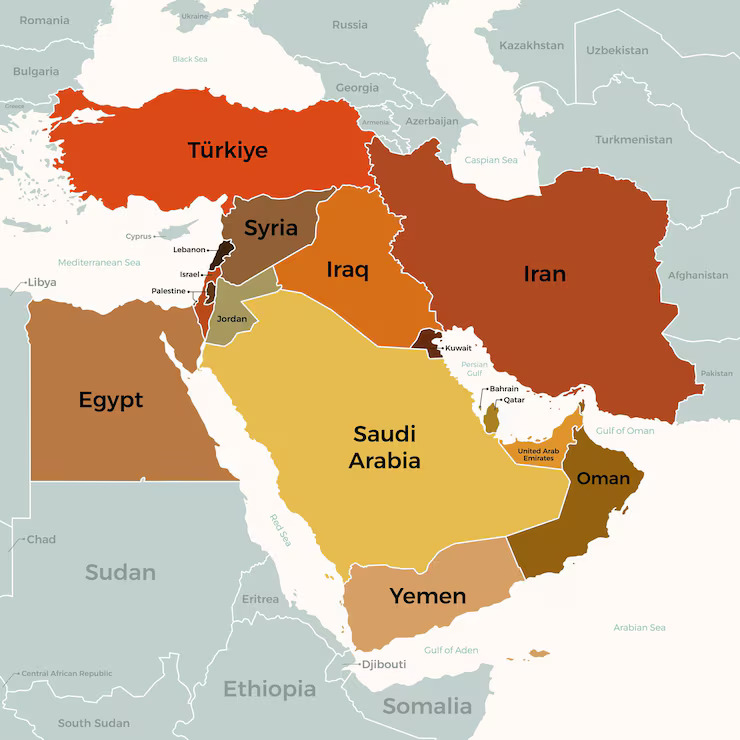
Mediation, likely through Oman, creating a 72-hour ceasefire and opening the Strait of Hormuz for every country.
War of Attrition: Continued, long-term airstrikes until the regime is weakened enough that it can no longer threaten regional stability or sustain the conflict. Ultimately, a new regime takes over, and signs the Cease-Fire.
Messy De-escalation: A gradual reduction in strike intensity, based on IRAN’s response and a partial reopening of shipping routes without a formal treaty—essentially an “ending by exhaustion” of IRAN.
Internal Collapse: An outcome where sustained military pressure and economic pain trigger a democratic revolution or, conversely, a “darker” descent into civil war. Decapitation/Regime Change is the most desired outcome for Washington, and Israel involving the fall of the hardline regime and replacement by a new government.
Decisive Military Control: U.S. forces and allies seizing the north coast of the Persian Gulf and the Strait of Hormuz to permanently reopen shipping, likely requiring a massive ground deployment. U.S. and allies seize control of the strait and northern coast, forcing an end to shipping disruptions and crippling the Iranian economy.
CONSTRAINTS FOR USA & ISRAEL:
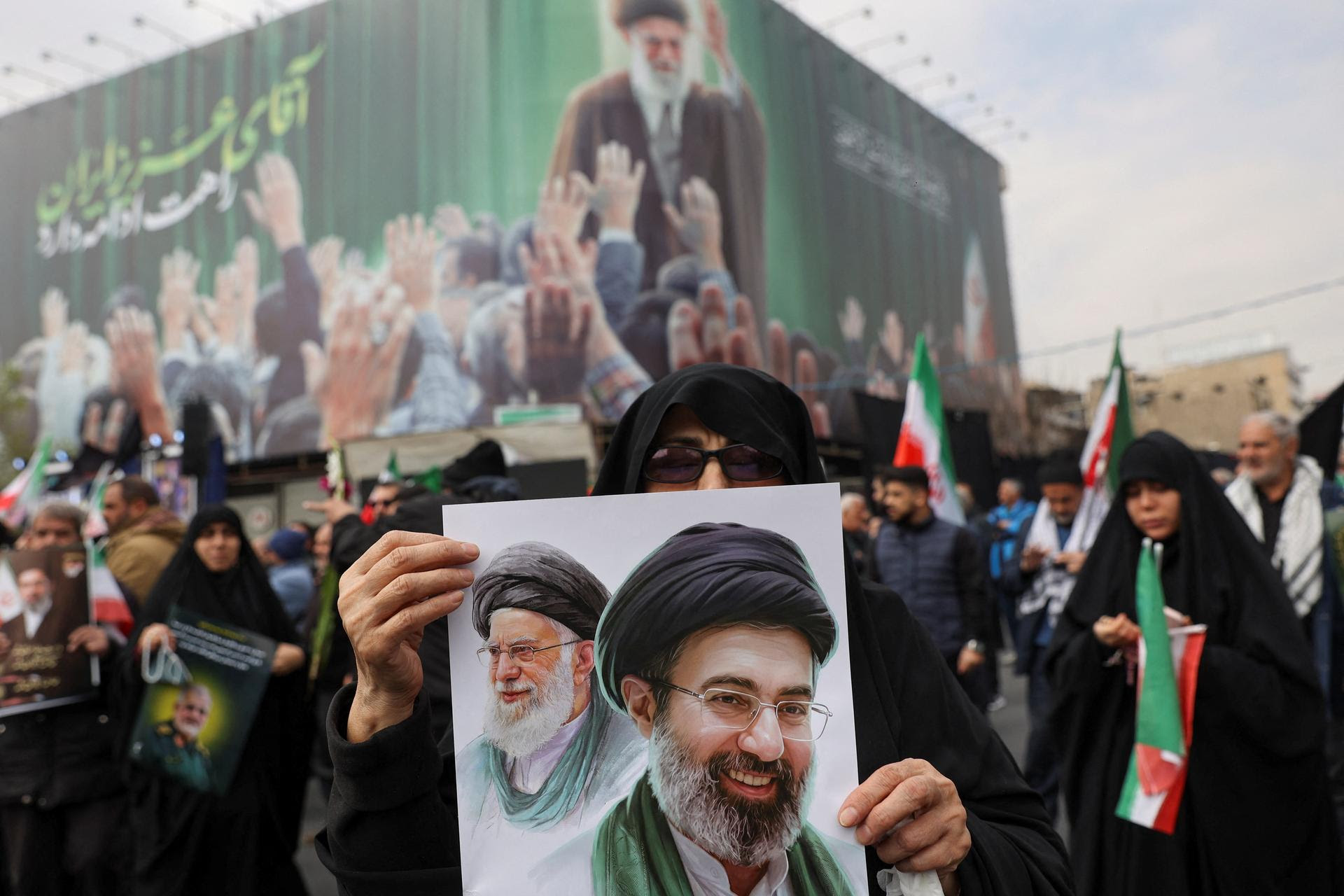
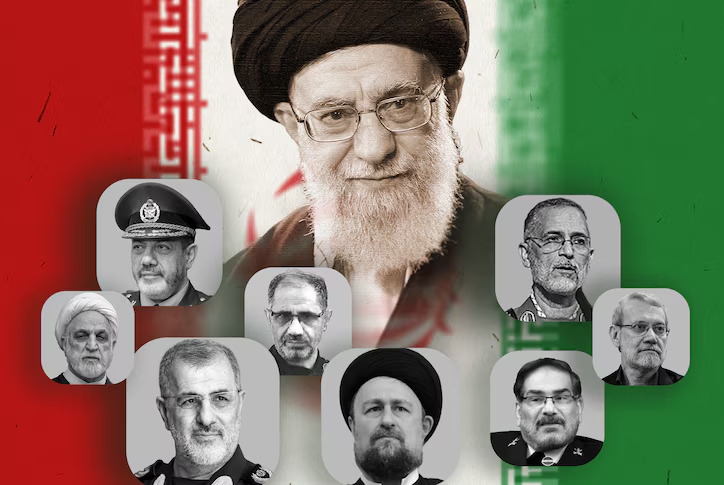
Leadership Transition: The new supreme leader, Mojtaba Khamenei, though not visible, and damaged, is expected to continue hardline stances, making a quick, diplomatic exit difficult. However—most of the Top Leaders are dead, but replacements are there.
Iranian Resilience: Tehran is calculating it can withstand more punishment than U.S./Gulf allies are capable/willing to deliver, aiming for a protracted conflict. It happened once, (7 years of IRAN-IRAQ war) and Russia and China will back-up the present regime of IRAN to continue.
Allied Pressure: Mounting global pressure on the U.S. due to rising oil prices and regional instability.
Iran’s Stated Conditions for Ending the Conflict:
Iranian President Masoud Pezeshkian has demanded three core conditions:
- Recognition of Iran’s “legitimate rights”: Acknowledging their regional political standing and sovereignty.
- Reparations: Compensation for infrastructure damage and civilian casualties caused by airstrikes.
- Security Guarantees: Firm international guarantees against future attacks on Iran.
The End Game started. USA, and its ARAB ALLEIES, and ISRAEL shall press upon, and hold on to the advantage. IRAN HAS BLINKED. HORMUZ got open for all but USA & ISRAEL.
SOURCES: – NYT, CNN, REUTER, BBC, Al Jazeera English, The Times of Israel, HINDU. IMAGE: google.
DISCLAIMER: -The information is only compiled. This BLOG is for education purpose only.