
HOUTHIS AND BAB-AL-MANDEB.
SARASIJ MAJUMDER
The Houthis are citizens of Yemen. And YEMEN is a sovereign state of Africa.
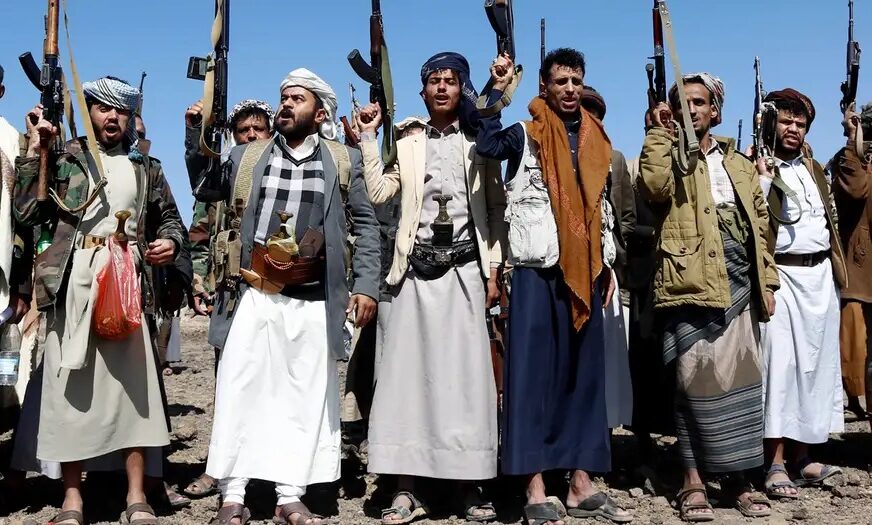
Formally known as Ansar Allah (Supporters of God), they are a Zaydi Shia’s political and military organization that emerged from northern Yemen in the 1990s.
It is called The Houthi movement (officially Ansar Allah) as it was led by a Zaydi Shia revivalist group of Al-Houthi family. What began as a moderate theological movement, the “Believing Youth,” evolved into a powerful military and political force that currently controls the Yemeni capital, Sanaa, and much of Northern Yemen.
RELIGIOUS ASPECTS:
While both Zaydism (practiced by the Houthis in Yemen) and Twelver Shi’ism (practiced in Iran) are branches of Shia Islam that revere the family of the Prophet Muhammad, they have fundamental THEOLOGICAL (Religious & Political) differences. Zaydism is often described as the branch of Shi’ism “closest to Sunni Islam” due to its more pragmatic approach to leadership and law.
The Concept of the Imamate: The most significant difference lies in how each sect defines its religious and political leaders (Imams).
Number of Imams: Twelver (Iran): Believe in a fixed line of twelve divinely appointed Imams.
Zaydi (Yemen): Do not believe in a fixed number. They are called “Fivers” because they diverged after the fourth Imam, following Zayd ibn Ali instead of his brother Muhammad al-Baqir.
Infallibility (Ismah):
Twelver (IRAN) believe the twelve Imams are divinely protected from sin and error (Ma’sum).
Zaydi reject the concept of infallibility for their Imams. They view them as fallible human beings who are simply more learned and pious than others.
The “Hidden Imam” (Occultation):
Twelver (IRAN) believe the 12th Imam went into “occultation” (hiding) in the 9th century and will return as the Mahdi, at the end of time. Mahdi (Arabic: الْمَهْدِيّ, al-Mahdī), meaning “the Guided One” or “the Divinely Guided,” is a messianic figure in Islamic eschatology. He is believed to be a descendant of Prophet Muhammad who will appear at the end of time to eliminate tyranny, corruption, and evil, establishing a global, unified era of peace, justice, and true Islamic faith.
Zaydi reject the idea of a hidden Imam. They believe an Imam must be a living, visible leader who actively stands up and fight against injustice.
Political Activism vs. Quietism:
In Zaydism, a legitimate Imam must lead an armed uprising (khuruj) against a corrupt or unjust ruler to prove his worth. This contrasts with historical Twelver quietism, where followers often waited for the Mahdi’s return before engaging in revolution.
Selection: Zaydis believe any descendant of Hasan or Husayn (the Prophet’s grandsons) can become an Imam if they are sufficiently learned and take up the sword against tyranny. Ideology is based on Rationalism– (Mu’tazili).
Twelvers believe the office is strictly hereditary from father to son. Views on the Early CALIPHS:
Moderate Stance: Most Zaydis historically did not “curse” the first three caliphs (Abu Bakr, Umar, and Uthman), viewing them as legitimate leaders who were simply “less excellent” than Ali.
Twelver Stance: Historically more critical, Twelvers generally view those who preceded Ali as usurpers of his divinely ordained right to lead. Their ‘FAITH’ is “Scriptural or Tradition-based.”
Jurisprudence (Law):
Sunni Similarities: Zaydi religious law (Fiqh) is remarkably similar to the Hanafi or Shafi’i Sunni schools.
Twelver Law: Follows the Ja’fari school, which has distinct rules on matters like inheritance, temporary marriage (Mut’ah—which Zaydis reject), and prayer rituals.
Key Facts About The Houthis:
Origins and the “Believing Youth” (1990s): They originate from the Saada Governorate in northern Yemen. They were Founded in 1992 in the Saada Governorate by Hussein al-Houthi or his brother Mohammed.
Initial Goal: To promote a Zaydi revival and counter the growing influence of Saudi-backed Salafi ideologies in northern Yemen.
Evolution: By the early 2000s, it shifted from religious education to political activism, adopting the “Sarkha” slogan (including “Death to America, Death to Israel”) in response to the 2003 U.S. invasion of Iraq.
The Saada Wars (2004–2010)
The Spark: In 2004, the Yemeni government under President Ali Abdullah Saleh attempted to arrest Hussein al-Houthi for leading anti-government protests.
Death of the Founder: Hussein was killed by government forces in September 2004, turning the movement into an armed insurgency led by his brother, Abdul-Malik al-Houthi.
Six Wars: Between 2004 and 2010, the Houthis fought six major conflicts against the central government, proving their resilience despite being heavily outnumbered.
Rise to National Power (2011–2015)
2011 Revolution: During the Arab Spring, (الربيع العربي ) the Houthis joined mass protests that eventually forced President Saleh to step down in 2012.
Takeover of Sanaa: Capitalizing on public anger over fuel subsidy cuts, the Houthis seized the capital, Sanaa, in September 2014.
Unlikely Alliance: They briefly allied with their former enemy, ex-President Saleh, to consolidate control over northern Yemen.
Government Exile: By early 2015, they seized the presidential palace, forcing President Abdrabbuh Mansur Hadi to flee to Aden and eventually to Saudi Arabia.
This forced the Yemen government to run into exile.
Saudi-Led Intervention: In March 2015, a coalition led by Saudi Arabia and the UAE launched a military campaign to restore Hadi’s government.
Deadlock and Crisis: The conflict devolved into a stalemate, causing what the UN termed the “world’s worst humanitarian crisis,” with widespread famine and disease.
Fractured Alliance: The Houthi-Saleh alliance collapsed in late 2017, ending with the Houthis killing Saleh after he attempted to switch sides to the Saudi coalition.
Regional Expansion: Emboldened by Iranian support, the group began launching long-range missile and drone strikes into Saudi Arabia and the UAE.
Political Status: As of 2024–2025, they act as a de facto governing authority of YEMEN, controlling the capital city of Sanaa and much of Northern & some of Western Yemen.
Current Situation (2026): While major fighting between the Houthis and the Saudi-led coalition has been largely frozen since a 2022 UN-brokered truce, the Houthis maintain de facto control over the North of Yemen.
Red Sea Attacks: Starting in November 2023, the Houthis began attacking international shipping in the Red Sea, claiming support for Palestinians in Gaza, drawing direct U.S. military responses.
Power Dynamics: The internationally recognized Yemeni government is currently represented by the Presidential Leadership Council (PLC), which is based in Aden.
Humanitarian Impact: The war has created one of the world’s worst humanitarian crises, with millions in need of assistance, high levels of internal displacement, and severe economic collapse.
Affiliations: They are part of the Iranian-led “Axis of Resistance”, as already told, and receive backing from Iran, although they operate with a degree of local independence.
They are not a separate nationality; they are Yemeni combatants and citizens who have taken control of large parts of their country.
Key Figures & Ideology:
Leader: Abdul-Malik al-Houthi is leading the movement since 2004.
Spokesman: Yahya Saree (military) and Mohammed Abdul Salam (political).
Core Ideology: The group follows Zaydi Shia Islam and is active part of the Iranian-led “Axis of Resistance”. Their official slogan (the Sarkha) includes “Death to America, Death to Israel, a Curse on the Jews”.
Recent Red Sea Crisis (2023–2026)
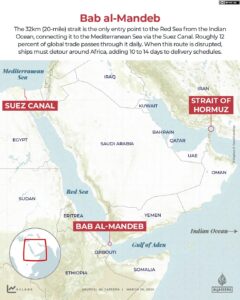
Maritime Attacks: Following the outbreak of the Gaza war in October 2023, the Houthis began attacking commercial ships in the Red Sea and Bab el-Mandeb Strait to create pressure on Israel.
Direct Conflict with the West: These attacks prompted retaliatory airstrikes by the U.S. and UK (Operation Prosperity Guardian) and the group’s redesignation as a terrorist organization by multiple nations.
2026 Escalation: By March 2026, the group launched direct ballistic missile attacks on southern Israel (specifically targeting Beersheba) during the broader regional conflict.
The Houthis (officially Ansar Allah) have recently escalated their involvement in the ongoing regional conflict by launching their first direct attacks on Israel since the start of the current war in late February 2026. On Saturday, March 28, 2026, the group fired a “salvo of ballistic missiles” targeting what they described as “sensitive Israeli military sites” in southern Israel. This was followed by a second wave of cruise missiles and drones less than 24 hours later.
The group later confirmed two separate operations against Israeli territory in support of their ally, Iran, and in response to ongoing U.S. and Israeli military campaigns.
“Fingers on the Trigger”: Houthi military spokesman Yahya Saree warned that the group is prepared for broader military intervention if the “aggression” against the “Resistance Fronts” (Iran and Hezbollah) does not cease.
Maritime Threats: While the group has not yet re-imposed a full blockade, there are significant international concerns that they may resume attacks on shipping in the Red Sea and the Bab al-Mandeb Strait. This follows their previous campaign (2023–2025) that severely disrupted global trade.
Current Status & Control:
Territorial Control: The Houthis continue to hold the Yemeni capital, Sanaa, along with much of northern Yemen and the country’s Red Sea coastline.
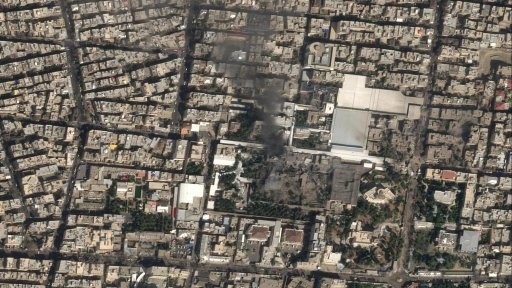
Leadership Wariness: Despite their recent strikes, leaders remain cautious of “Decapitation Strikes” from Israel, which previously killed several high-ranking cabinet members, including the former Prime Minister Ahmed al-Rahawi and Chief of Staff Mohammed al-Ghamari in late 2025.
Diplomatic Context: These attacks coincide with reported indirect negotiations between the U.S. and Iran, with the Houthis’ actions potentially serving as leverage for Tehran.
Regional Implications:
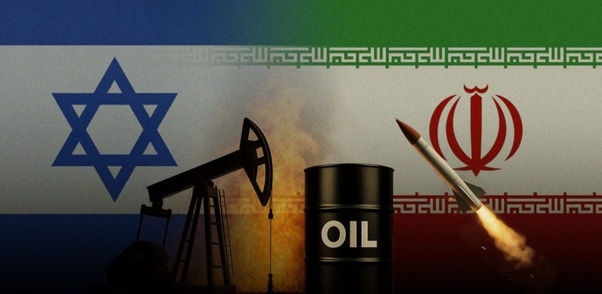
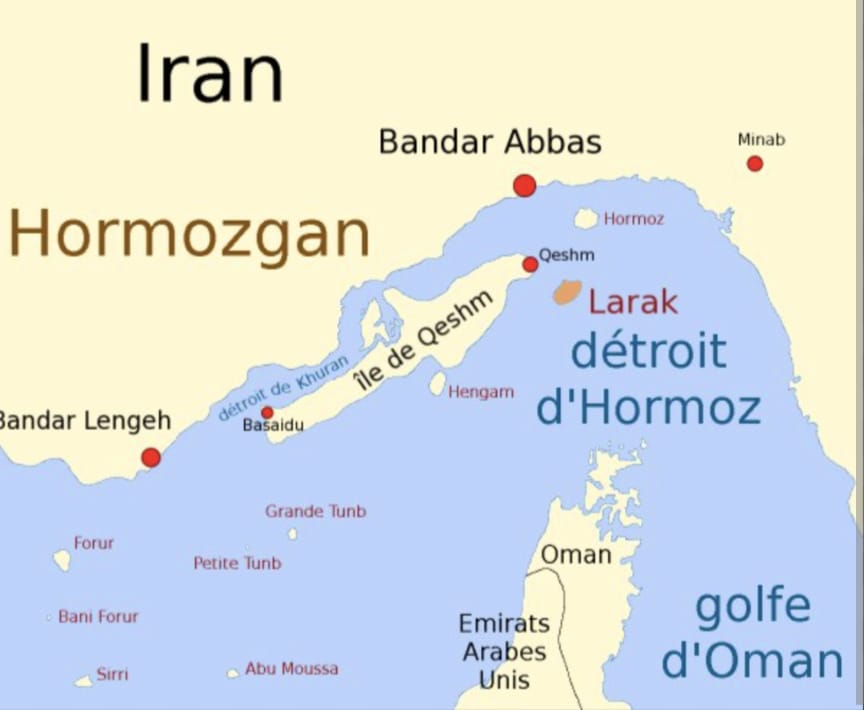
Global Economy: A renewed Houthi blockade of the Bab al-Mandeb could further spike energy prices, especially as Iran has already significantly restricted traffic through the Strait of Hormuz, and disturbed Global Economy.
Saudi Arabia’s Position: While the Houthis are currently focusing strikes on Israel, analysts warn of a high risk of renewed confrontation with Saudi Arabia if the Kingdom supports U.S.-Israeli operations.
IRAN’s INVOLVEMENT:
The primary entity supplying money, along with weapons, including all advanced weapons, missiles, and drones, training, Communication Systems, and military intelligence, to the Houthi movement (Ansar Allah) in Yemen is Iran. The Houthi movement is considered part of Iran’s “axis of resistance”.
They have established a production system for Drone, and Missiles.
Reports indicate that a global supply chain, including China-based companies, has been used to supply chemical precursors and dual-use components for drone and missile production.
Hezbollah Angle: Lebanese Hezbollah group provides training, expertise, and technical assistance in developing drone and missile launching capabilities.
Iran’s Islamic Revolutionary Guard Corps (IRGC) plays a crucial role in providing military intelligence and training.
Smuggling Networks: Iran uses maritime smuggling routes, often involving ships in the Red Sea and Gulf of Aden, to deliver weapons and components to Yemen.
Additional Funding Sources and Networks:
Illicit Oil Revenue: The Houthis generate significant revenue by selling Iranian oil products, a network managed by Houthi-affiliated businessmen such as Sa’id al-Jamal. This Crude oil is frequently sold to private “teapot” refineries in China.
Taxation and Extortion: The Houthis levy taxes, customs duties, and fees on imports in the areas of Yemen they control, including the port city of Hudaydah.
Petroleum Smuggling: Two individuals, Muhammad Al-Sunaydar and Yahya Mohammed Al Wazir, have been designated for facilitating the smuggling of oil and generating income through front companies.
Front Companies: The Houthis use a network of front companies to import goods and launder money, including companies based in the Iran, UAE and Yemen.
Cryptocurrency: The Houthis have used Cryptocurrency Exchanges, such as the sanctioned Russian exchange Garantex, for movement of money.
WHAT EMERGE:
The Houthis have grown to become somewhat self-sustaining entity through the taxation of areas they control; Iranian support remains the critical driver of their advanced military capabilities.
Some day—they may split YEMEN, and form a separate state. If Iran gets chained—this menace will get automatically eliminated.
References:
BRITANICA, BBC, Al Jazeera English, Wilson Center, Sana’a Center For Strategic Studies, Middle East Research and Information Project, CFR.
IMAGES: GOOGLE.
XXXXXXX