
ARAB MEETING ON IRAN WAR
SARASIJ MAJUMDER
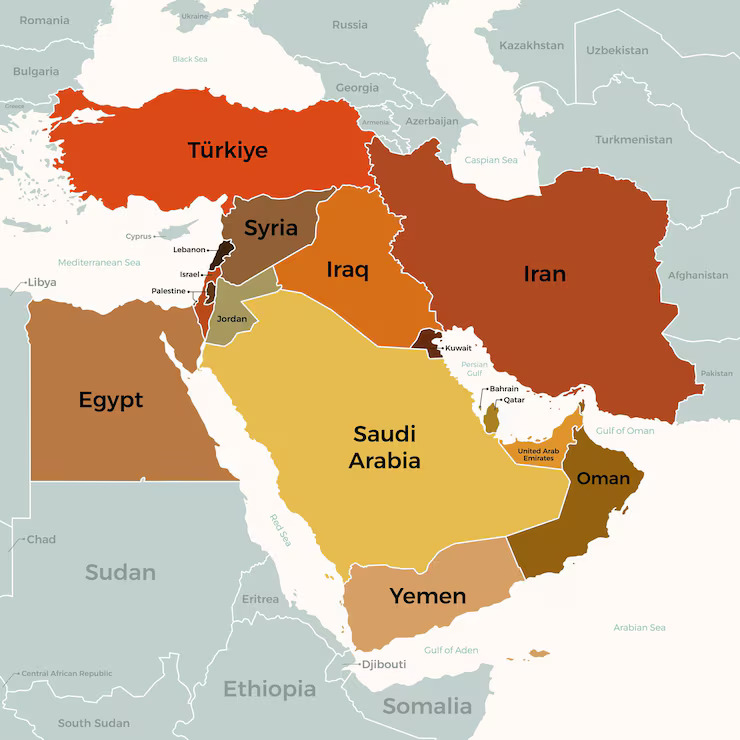
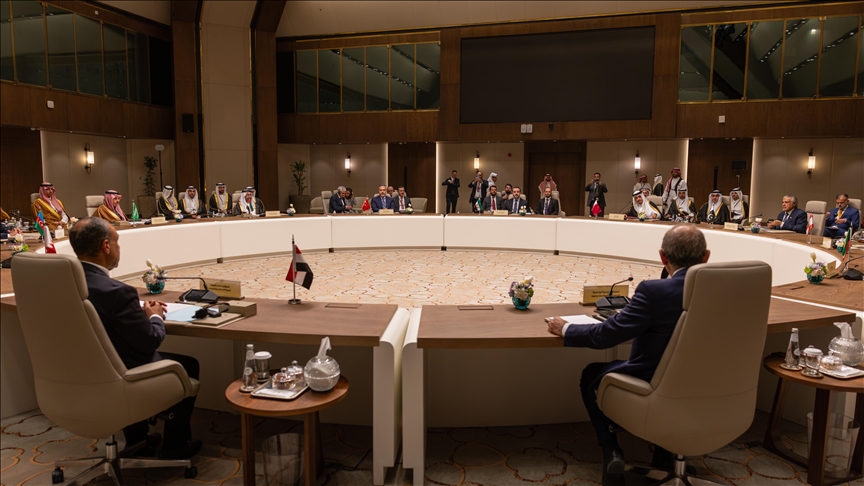
Saudi Arabia hosted the meeting in Riyadh, bringing together the foreign ministers of Azerbaijan, Bahrain, Egypt, Jordan, Kuwait, Lebanon, Pakistan, Qatar, Saudi Arabia, Syria, Türkiye and the United Arab Emirates to discuss ways to regain back regional security and stability.
It is not known, whether any other Muslim Countries were invited, and they decided not to participate.
What did Arab and Muslim ministers discuss in Riyadh meeting on Iran?
Foreign Ministers condemned what they described as deliberate Iranian attacks on Arab neighbours using ballistic missiles and drones targeting residential areas and civilian infrastructure including oil facilities, desalination plants, airports, housing complexes and diplomatic premises.
They suffered considerably on economic terms–Qatar being most affected.
The meeting of top diplomats in Riyadh was aimed at mustering a common response to Iran’s increasing retaliation against assets and infrastructure in the regional Arab states, which not only threatens regional stability but is also causing disruptions to the global economy.
A joint statement issued on Thursday confirmed that foreign ministers from Qatar, Azerbaijan, Bahrain, Egypt, Jordan, Kuwait, Lebanon, Pakistan, Saudi Arabia, Syria, Turkiye and the United Arab Emirates attended the meeting on Wednesday.
They stressed that such attacks cannot be justified under any circumstances and affirmed the right of affected states to defend themselves in accordance with Article 51 of the UN Charter.
12 countries, which were broadly been sympathetic to Iran in the past, now assert “the right of states to defend themselves”, citing Article 51 of the United Nations Charter on defensive action.
They issued a collective condemnation of “deliberate Iranian attacks”.
Foreign ministers called on Iran to:
- Halt its attacks and respect international law and the principles applicable for a neighbouring country.
- Stop “provocative actions or threats” aimed at its neighbours.
- Cease supporting, financing and arming pro-Iran proxy groups based in Arab states.
- Refrain from actions or threats aimed at blocking the Strait of Hormuz or threatening maritime security in the Bab al-Mandeb strait.
They said the future of relations with Iran depends on respect for the sovereignty of states, non-interference in their internal affairs and refraining from threats against neighbouring countries.
The statement also urged Iran to comply with UN Security Council Resolution 2817 (2026), and cease all attacks immediately and refrain from actions that could threaten international navigation in the Strait of Hormuz or maritime security in the Bab al-Mandeb Strait.
The ministers also reiterated support for Lebanon’s sovereignty, stability and territorial integrity, backing the Lebanese government’s decision to ensure weapons remain solely in the hands of the state.
The participants agreed to continue consultations and coordination to address developments and take necessary measures to protect the security and sovereignty of their countries to stop Iranian attacks.
Turkish Foreign Minister Hakan Fidan, who intends to visit other countries after Riyadh, will underline the need for a negotiated and peaceful end to the war.
The Saudi foreign minister further said:
That they have “very significant capacities and capabilities that they could bring to bear should they choose to do so”.
Emphasising his country’s right to defend itself, he said “ he hoped Iran had got the message” and its leaders would “recalculate quickly and stop attacking their neighbours”.
But he also added: “I am doubtful they have that wisdom.”
He opined that while the war would eventually come to an end, it will take considerable time to restore relations with Iran because trust has been “shattered”.
WHAT EMERGE:
- IRAN got isolated from its neighbours.
- Trump stitched a deeper alliance in Middle East.
SOURCES: – Al Jazeera, www.aa.com.tr, Reuters, and information available in Public Domains.
Image: Mustafa Hatipoglu/AA